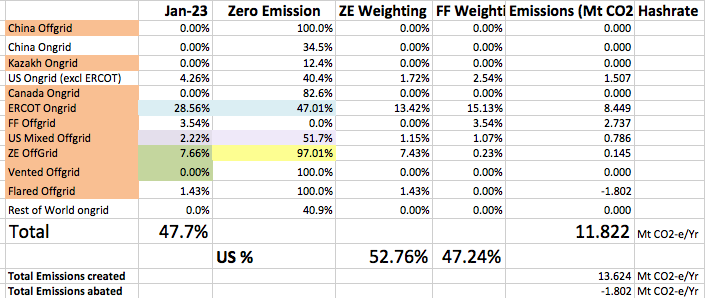
Emissions and data

Bitcoin could be carbon negative by 2031. Here are 5 ways it gets there

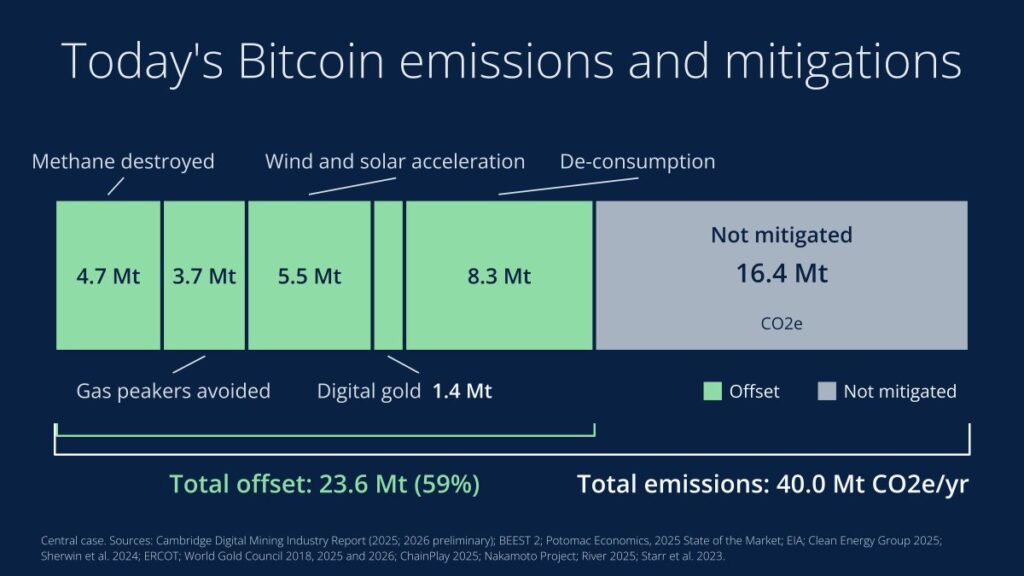
Summary Bitcoin’s total emissions have stayed roughly flat for seven years: 37.8 Mt CO2e/yr in November 2019 and 40.0 Mt CO2e/yr today 59% of Bitcoin’s total network emissions are likely already being mitigated. On current trends, Bitcoin is projected to go carbon negative between 2031 and 2047. This document examines the five factors that are […]

Bitcoin could be carbon negative by 2031. Here are 5 ways it gets there Read More »
Why Bitcoin energy “per transaction” is a spurious measure

Bitcoin’s energy use does not come from its transactions, so measuring its energy, emissions or water “per transaction” is misleading. Cambridge University rejected the measure, and researchers Sai and Vranken reached the same conclusion in their systematic review of the research. On May 2018 Alex de Vries wrote a 5 page commentary called Bitcoin’s Growing

Why Bitcoin energy “per transaction” is a spurious measure Read More »

10 images that forever changed our perceptions about Bitcoin and energy

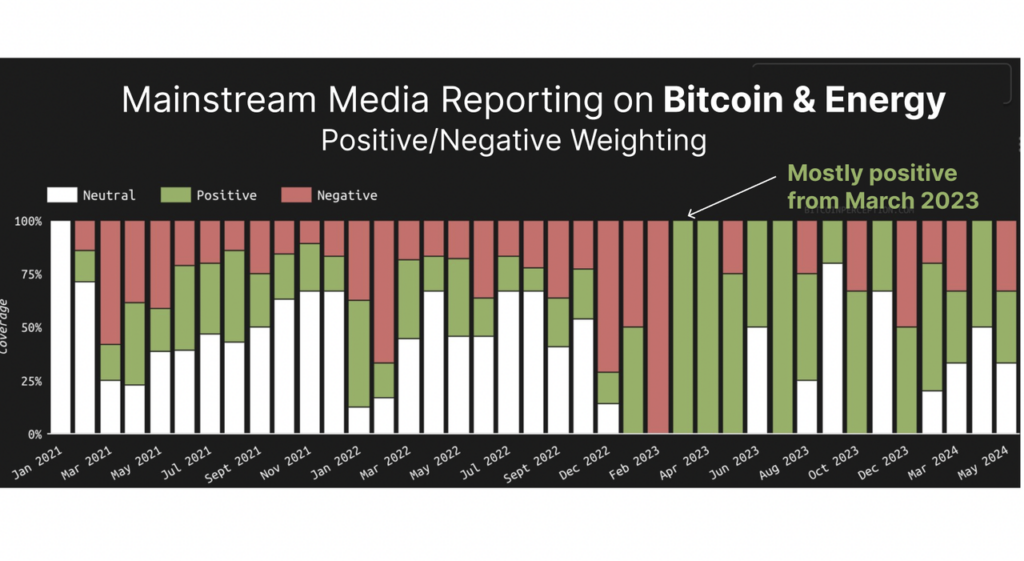
The media’s view of Bitcoin mining has changed markedly in just three years, as evidenced by the cover image, which uses empirical data to analyze every mainstream media article on Bitcoin and energy since 2021. Remarkably, the chart shows that mainstream media articles about Bitcoin and energy have been consistently more positive than negative since April

10 images that forever changed our perceptions about Bitcoin and energy Read More »

Black-and-white portrait of an old coal miner in a helmet with a lamp, in front of a mine

Bitcoin e-waste: what really happens to old Bitcoin mining rigs?

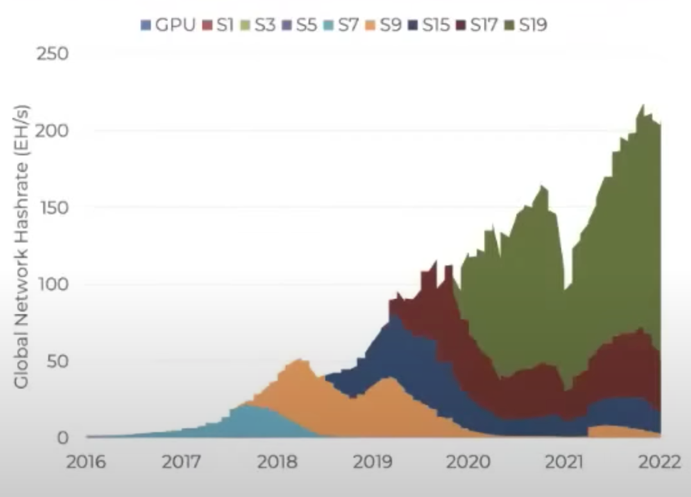
The claim that Bitcoin mining creates an e-waste problem has never been robustly tested. On closer inspection, the Bitcoin e-waste accusation is itself, well, rubbish. This article shows what really happens to old Bitcoin mining rigs. Let’s back up: e-waste is a real ecological issue. It’s not just the space it takes in landfills. It

Bitcoin e-waste: what really happens to old Bitcoin mining rigs? Read More »

Comparing Bitcoin mining to other industries’ energy mix

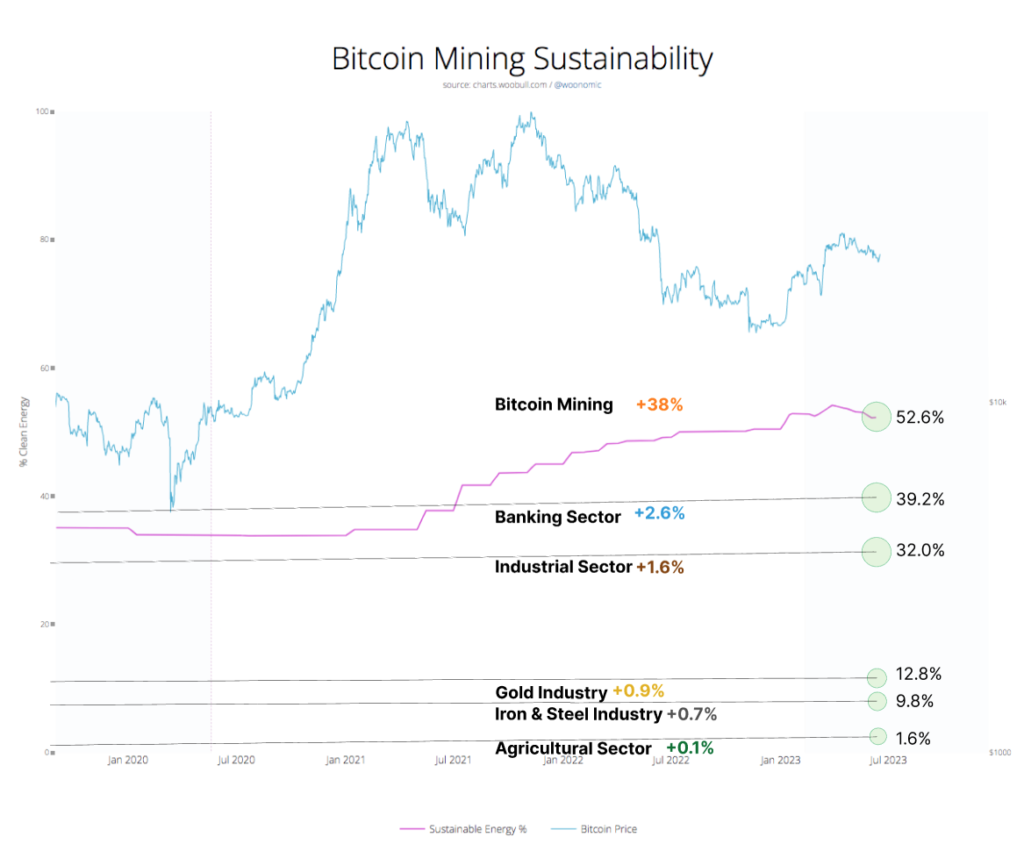
Summary Using data from our BEEST model (Bitcoin Energy and Emissions Sustainability Tracker), and comparing to publicly available data of other industry sub-sectors, we charted sustainable energy mix over the last four years across a range of industries. Based on the data, Bitcoin mining is currently the highest user of sustainable energy (52.6%) across sub-sectors,

Comparing Bitcoin mining to other industries’ energy mix Read More »

Accurately, dynamically calculating Bitcoin network emissions

Executive Summary We find that the most oft-cited emissions calculation (CCAF’s estimated emissions) for the Bitcoin network overestimates true emissions by > 100%. The emissions numbers is skewed strongly to the upside because each of the factors that multiply together to produce this number are themselves overestimated Data as of 9 June 2023 CCAF calculation

Accurately, dynamically calculating Bitcoin network emissions Read More »

Improving our estimate of Bitcoin energy consumption

Acknowledgements: Mason Jappa – Blockware, the team at Luxor and Fred Thiel – Marathon for making their data, models and methodologies available Executive Summary For several years the Cambridge Centre for Alternative Finance (CCAF) has been the most quoted source for Bitcoin energy and power consumption estimates. However, our analysis of CCAF’s Bitcoin power and

Improving our estimate of Bitcoin energy consumption Read More »