
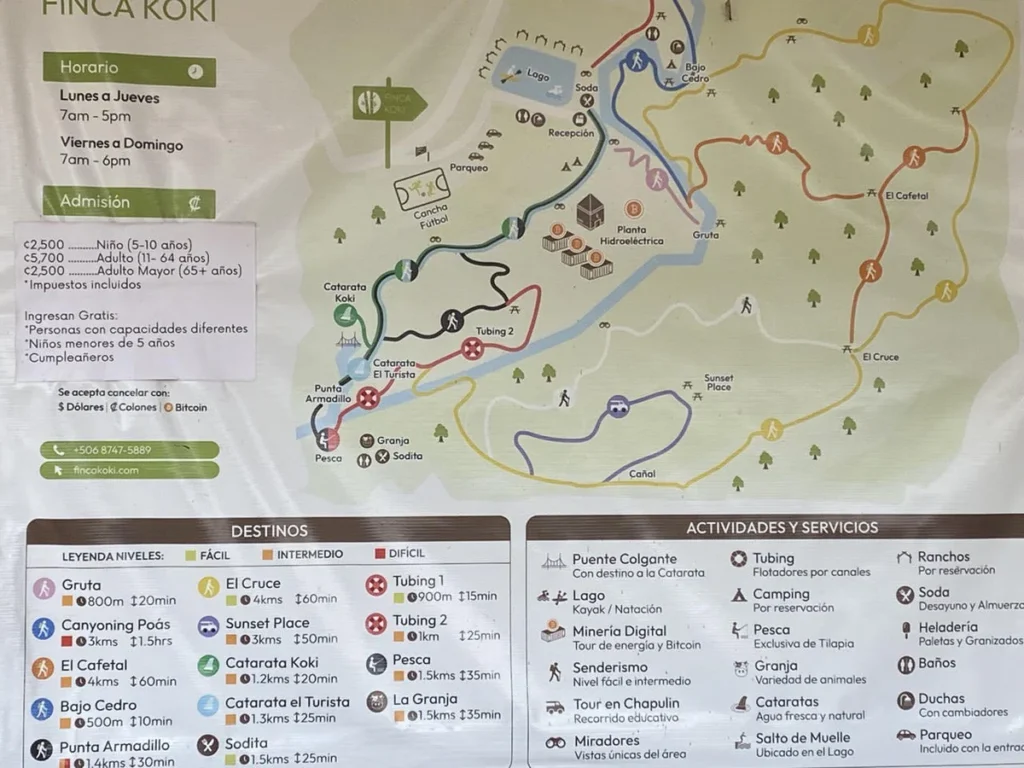
This is not a story of terahash and megawatts. It’s the story of Eduardo, and how Bitcoin mining saved his family’s land in Costa Rica. A man living less than an hour from me, on the jungle-clad side of the Poás volcano in land his family had owned for 5 generations in Alajuela province.
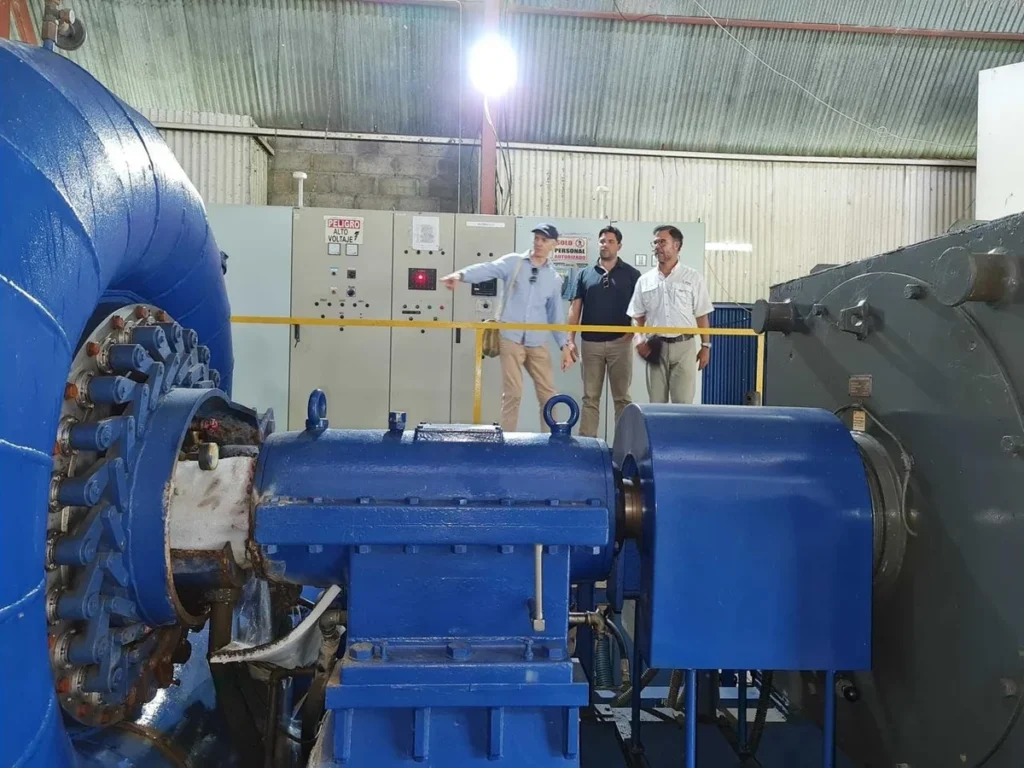
Many years ago, he’d had the smart idea to build a renewable microhydro station, to use the untapped power of the river that ran down the side of the volcano.
The project was successful, but capital intensive. He took out a loan to pay for the investment, and life was good. For many years he sold the power back to the grid, earning a steady profit each year.
Then COVID hit.
As businesses shut down, so did the demand for power. Without warning, ICE, the country’s state-owned energy utility, contacted him with the message: “We are permanently ending our power purchase agreements with all private electricity generators, effective immediately.”
Half of a million dollars per year gone overnight. What would you do?
Overnight, a profitable business was turned into a debt burden. Eduardo valiantly attempted to transform the property into an eco-tourism destination. This brought in a little money, but nowhere near enough to pay his monthly bank interest repayments.
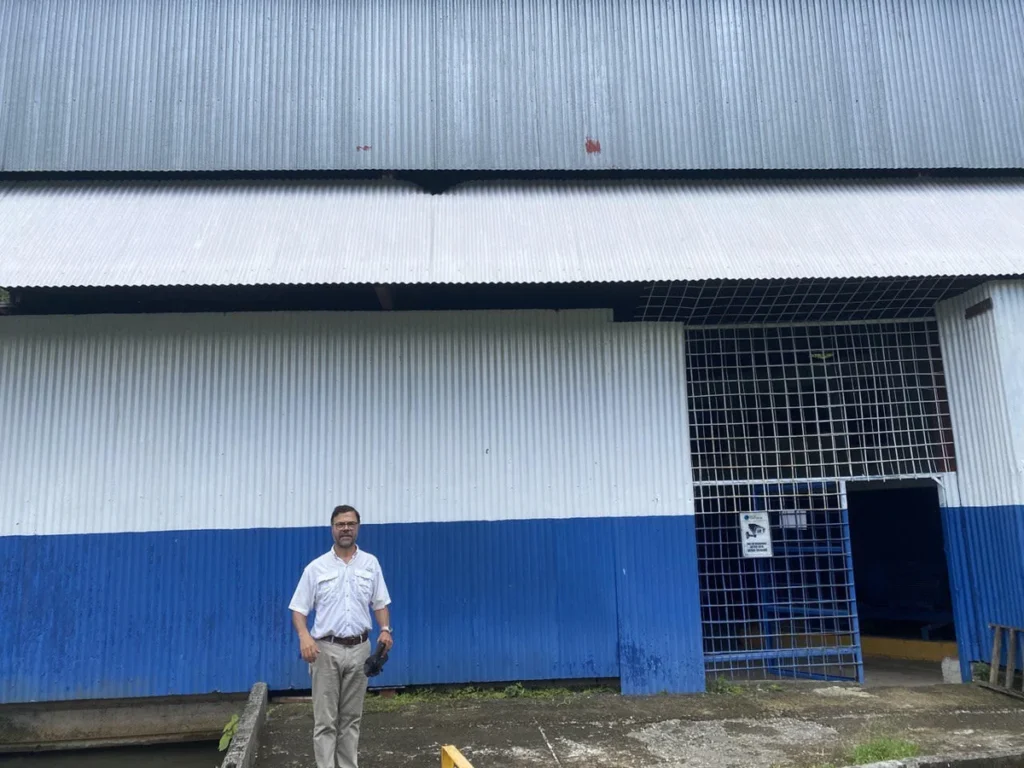
After months of rising debt, he went to the bank and placed the keys to the property on his bank manager’s desk. He said, “I cannot repay this loan, and I am forfeiting the property, the hydro station and the dwellings to you.”
His bank manager was shocked. “What am I going to do with a micro-hydrostation?” he said. “Look just hold your horses for 6 months, let’s wait and see.”
Eduardo shrewdly replied, “I can hold my horses, if you can hold your interest.”
They talked, and a mortgage holiday was arranged.
But this was only a stay of execution.
One day, 3 months later, with still no prospect of paying off his debt, Eduardo was talking to his son-in-law. “Have you considered Bitcoin?” He said.
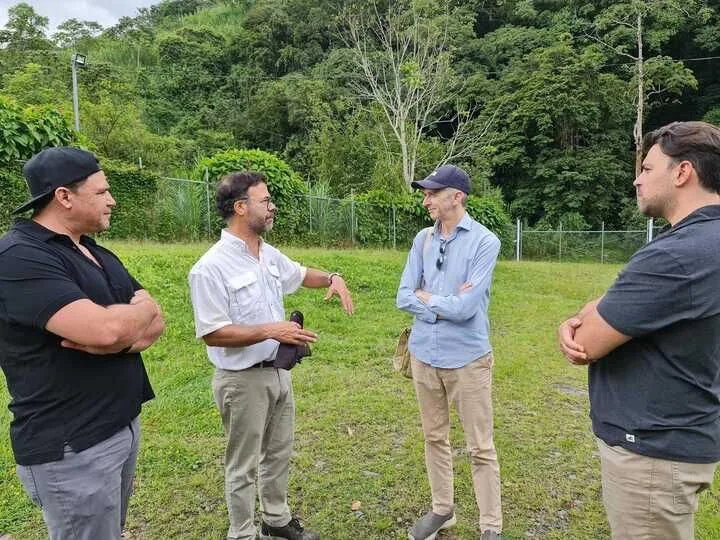
Eduardo’s reaction was the same as mine when I first heard of Bitcoin. “What, that Ponzi scheme? Forget it!” But his son-in-law persisted. “Bitcoin miners need a lot of energy, and they can locate anywhere” he said.
A lightbulb went off in Eduardo’s head.
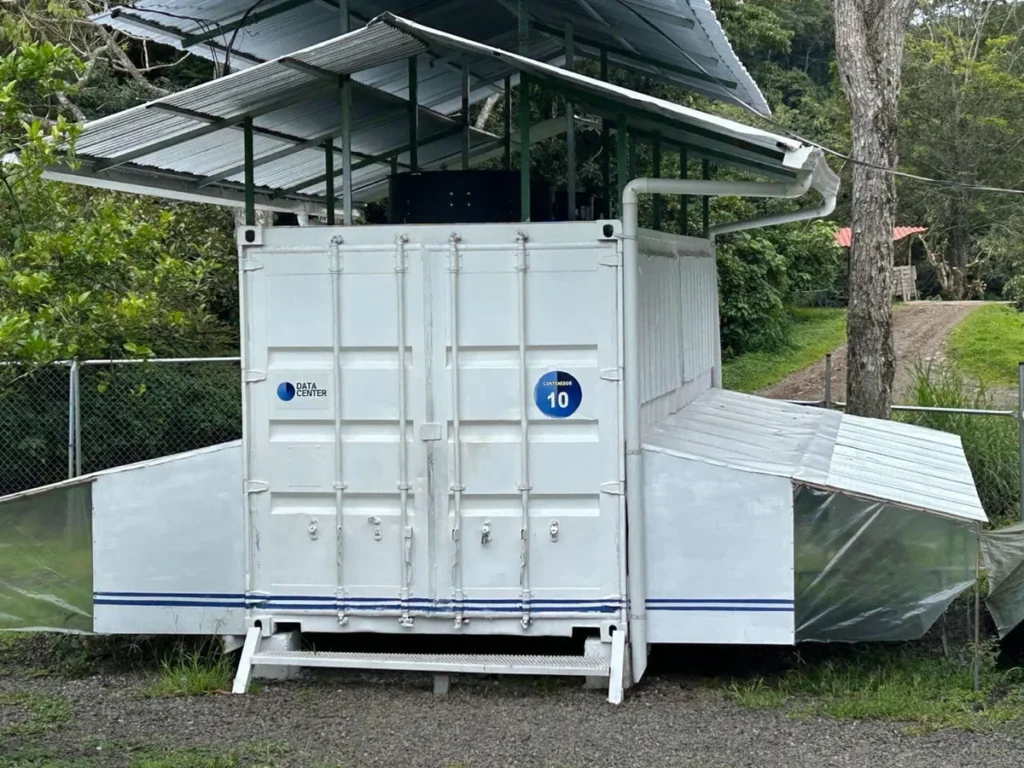
Within days, he had bought a second hand S19 miner (a latest model mining rig at the time) and hooked it up to the power. Immediately he was earning Bitcoin. Days later, he was sitting in a café eating a meal he’d paid for with the Bitcoin he’d mined. He ran some calculations, and realized he’d found the answer.
His bank manager did not share his enthusiasm for the answer.
Due to Costa Rica having strong user adoption for Bitcoin, banks had already seen a loss of business to Bitcoin as people preferred self-custodial wallets (where people hold their own Bitcoin rather than leaving it with a company) to bank savings accounts, and Lightning (Bitcoin’s fast payments network) to bank wire transfers.
“We are not allowed to get involved with anything with the name Bitcoin in it,” his manager replied. “But if you call it a data center, I can give you a loan.”
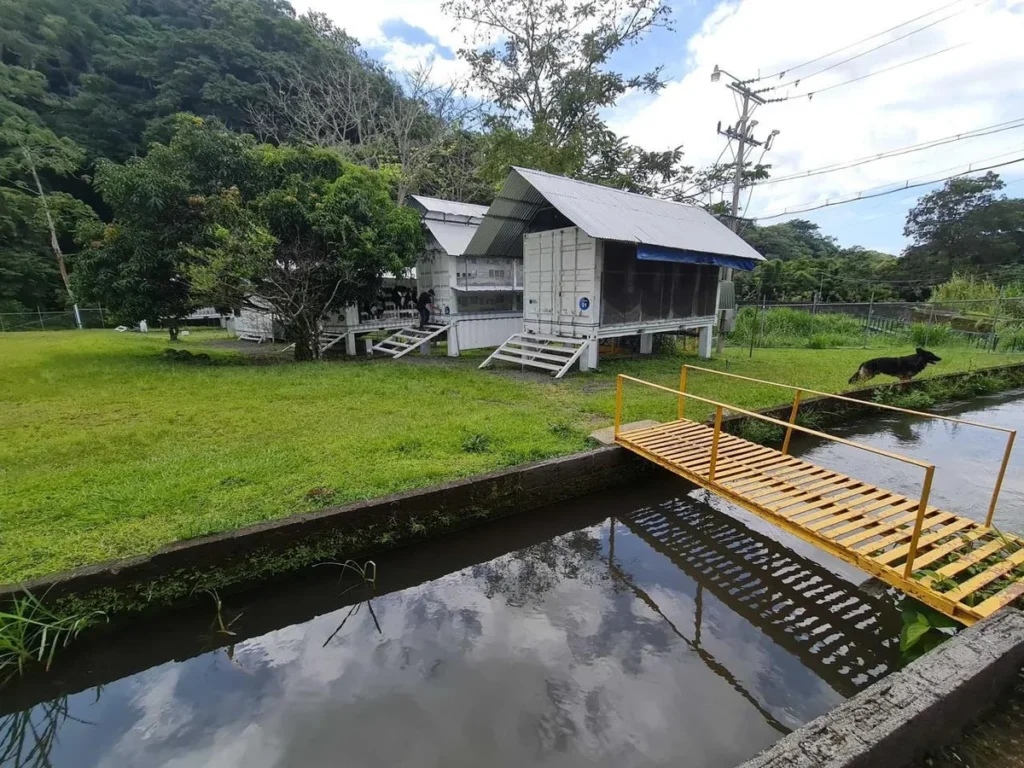
Three years later, I visited Eduardo’s 60 Ha property and mining operation. To describe it as paradise is no exaggeration. He employs 40 people for his ecotourism business. Hiking trails and zip lines traverse through the jungle. Free-range animals roam the property. Migratory birds stop to chill on his water reservoir as they fly south. Free-range geese and donkeys roam the property. The land is organic, grows its own food, and sees parties of visitors from schools to executive retreats pass through every week.
He has become an avid supporter of Bitcoin, runs his own node and organizes local meetups to explain the value of Bitcoin to the community.
“Where would you be without Bitcoin mining?” I asked him. He looked wistfully at the property and said – the hydro plant would be rusting. There would be no staff. And I would have lost this property of 5 generations to the bank.
Eduardo’s story is not an anomaly. As Eduardo said to me, “Everything is energy”. Everything we see that looks solid is in fact just energy. The only choice we have is do we waste that energy or do we channel it into doing something that benefits people.
Whether it is hydro energy in Costa Rica, microgrid energy in a village in Africa, heat recycling in Finland, bathhouse heating in New York, grid balancing in Texas, or biogas from a landfill in Utah, or a pig farm in Ireland, Bitcoin mining companies are turning wasted power into flourishing energy distribution ecosystems that benefit humanity.
Troy Cross once shared with me, “Normally you just get to watch history, but we are all creating it.”
On the night that Bill Maher tweeted the biggest “Bitcoin is bad for the environment” throwback I’ve seen on Twitter this year, complete with a 16x overestimation of Bitcoin’s energy consumption, it’s good to remember that for every Bill, there are many more Eduardos, quietly getting on with changing the world for the better. You won’t read about them in the media.
For more on how Bitcoin mining can cut emissions, see how Bitcoin mining could go carbon negative.
This article was first published in The Bitcoin Adoption Letter in October 2024.