

The best qualified to comment on the relationship between electricity prices and the presence of Bitcoin mining is the grid operator themselves. So what did the grid operator of the grid with the heaviest concentration of Bitcoin mining say about its relationship to electricity price?
Brad Jones, Former CEO of Texas’ grid ERCOT categorically stated that Bitcoin was “helping keep the cost of electricity low for all Texans”. Jones went on to describe several ways that Bitcoin mining helped keep prices low.
1. Monetizing wind and solar energy that would otherwise have been wasted. As Jones put it, Bitcoin mining helped “find a home for otherwise wasted wind energy.” Because of that, those wind and solar operators were more profitable, and able to expand their facilities meaning more supply of electricity, which naturally decreases price pressure.
2. By creating a more competitive market for demand response, which is where different energy consumers compete at a Dutch auction to provide the important service to the grid operator of instantly curtailing their energy use in the event of peak demand, or electricity generation going offline (or both). Other demand response suppliers historically included steel works and aluminum smelters, but they took a while to power down and could only supply four hours of unused power back to the grid. Bitcoin mining was able to power down in 500 milliseconds and could continue providing the service for days. Having another competitor for demand response lowered the amount that grid operators needed to pay for demand response due to a more competitive marketplace, resulting in lower consumer electricity prices.
3. When the proportion of variable renewable energy (solar and wind) on a grid increases, Grid Operators typically must purchase more gas peaker plants to supply backup power in the event that the wind isn’t blowing and the sun isn’t shining at the same time.
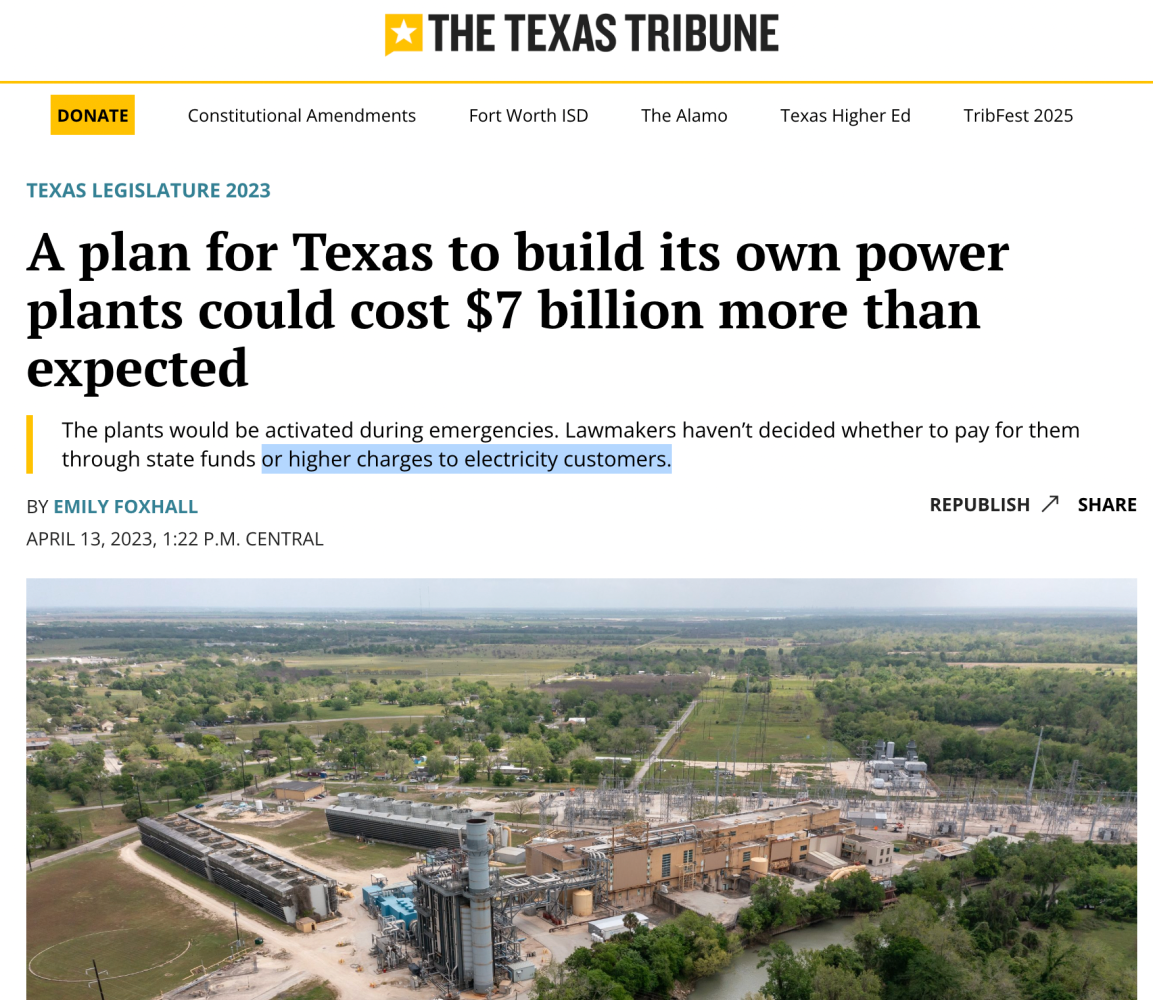
Not only must these plants must idle all year, releasing CO2 emissions, but they are very expensive. In Texas, Brad Jones was able to use a more pragmatic solution: he arranged for Bitcoin mining companies to power down, meaning new gas peaker plants proposed by Hathaway Energy didn’t need to fire up. In fact, Texas did not need to purchase these gas peaker plants at all, saving the Grid Operator $18Billion according to the Digital Assets Research Institute. This cost saving that further reduced the need for the grid operator to raise power prices.

Inflation-adjusted figures show that unlike other grids in US which did not have a high concentration of Bitcoin miners. There was no statistically significant rise or fall in either electricity or gas prices since Bitcoin mining came onto the ERCOT grid in Texas, giving further evidence for ERCOT CEO Brad Jones’ observation that Bitcoin mining in fact “Helped keep the price of power low for all Texans.”
4. In other parts of the world, such as UK, the grid operator often has to pay a renewable generator if they cannot take their power (called curtailment). Curtailment fees can be very high and result in the grid operator needing to charge higher prices to keep their operation profitable. For example, UK recently spent £2.5Million for a single day of curtailment (see image below). This payment would not have been required were Bitcoin mining operations colocated at the wind facility.

With Bitcoin mining companies using that otherwise curtailed (wasted) energy, the grid operator is relieved from having to pay these large curtailment fees.
Texas (ERCOT), 2020 data showed 4.87 million MWh curtailed (mostly wind), but mining farms could utilize up to 93% in cost-minimization scenarios, yielding $239 million in profits for the grid operator by turning waste into revenue (Niaz et al). The authors found that Bitcoin mining reduces curtailment risks in PPAs (power purchase agreements)
5. Grid infrastructure costs are very high, and the costs for these are either passed on to taxpayers, or electricity users directly. A recent Duke University study showed that using Bitcoin mining could help the grid operator defer, or in some cases avoid, cost-prohibitive grid upgrade costs.
As well as in Texas, other parts of the world found out firsthand how electricity prices can suddenly and violently spike when Bitcoin mining companies are no longer operating on the grid.
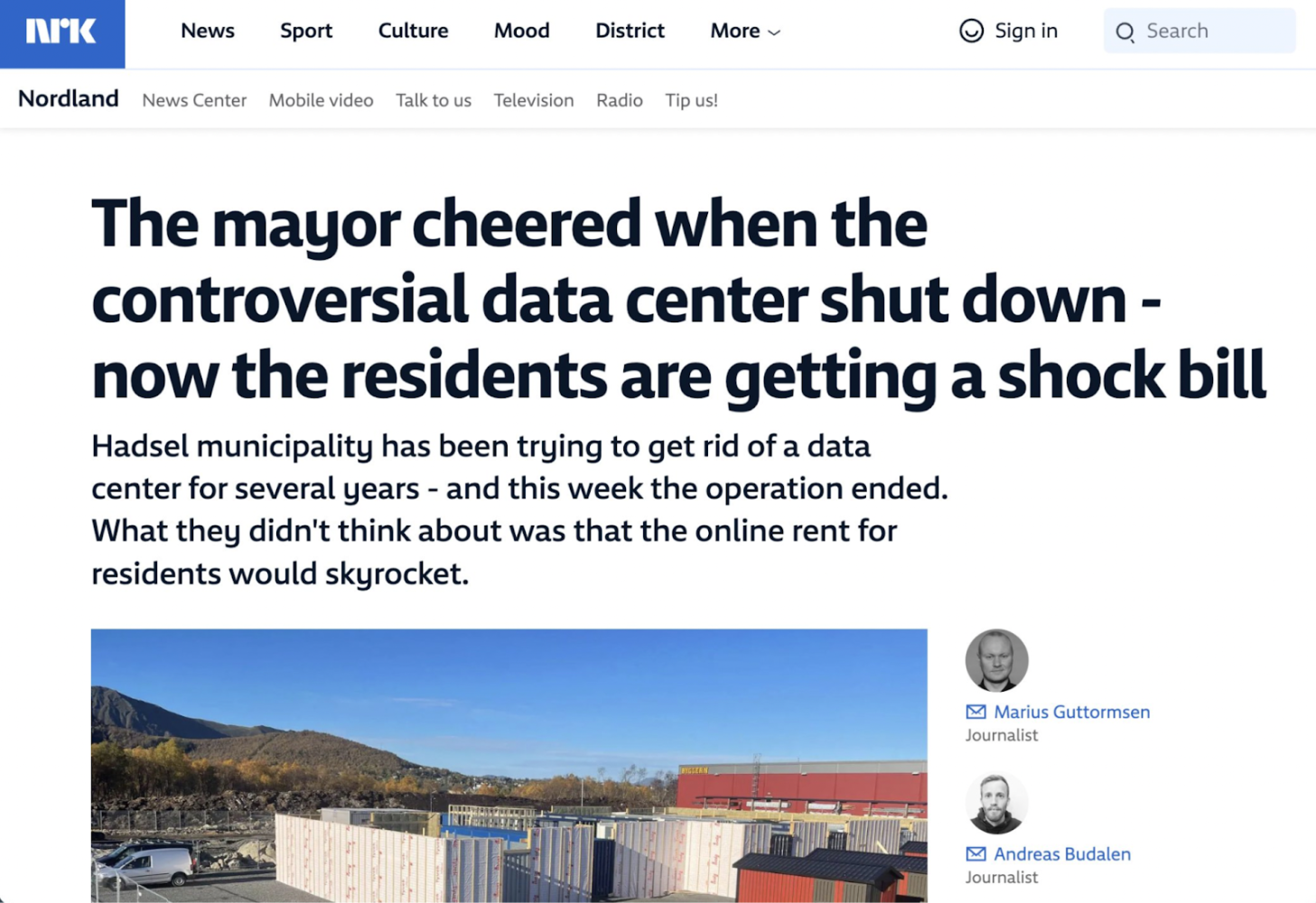
In Sept 2024 for example, Norwegian residents realized that Bitcoin mining had for years been keeping their power prices 20% lower, after the Bitcoin mining operation left the grid and their prices instantly increased as a direct result, to meet the revenue shortfall.
Meanwhile, CNBC reported that the addition of a Bitcoin-mining to a rural microgrid in Kenya “dropped the price of power from 35 cents per kilowatt hour to 25 cents per kWh” (a 28.5% price reduction to the rural power users) by monetizing previously wasted hydro-energy.
Author: Daniel Batten is an Environmental Advocate, Climatetech Investor and Bitcoin Mining researcher.